

Photo note: The featured mug is an archive photograph from an earlier catalogue listing; it is not currently offered.
When you are considering antiques or collectibles for auction, clear photographs and simple notes help an auctioneer understand what you have and decide what additional information may be useful. They are a starting point, not proof of an item's age, authenticity, or value.
Photograph the item from useful angles
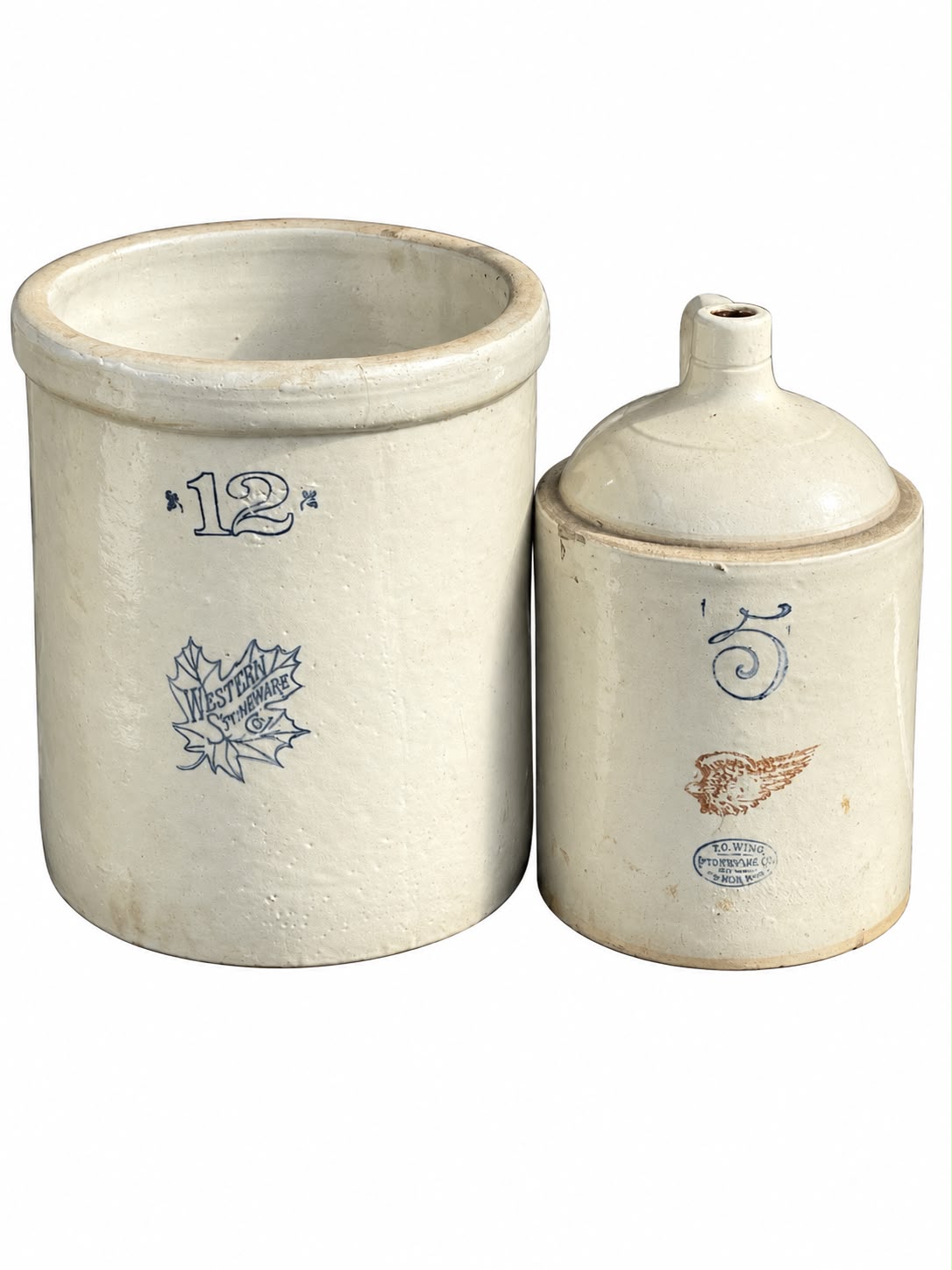
Use even natural light, a plain background, and original, unfiltered photos. Include a full view and the front, back, sides, underside, and interior when relevant. Take close-ups of marks, labels, signatures, numbers, and construction details, plus a wider photo showing where each mark appears. Show chips, cracks, repairs, wear, stains, or missing parts rather than cropping them out. For a set, photograph the pieces together and separately, and record the count.
If scale matters, place a ruler beside the object without covering a mark or risking a scratch. Avoid moving a fragile item just to improve a picture.
Record measurements and visible details
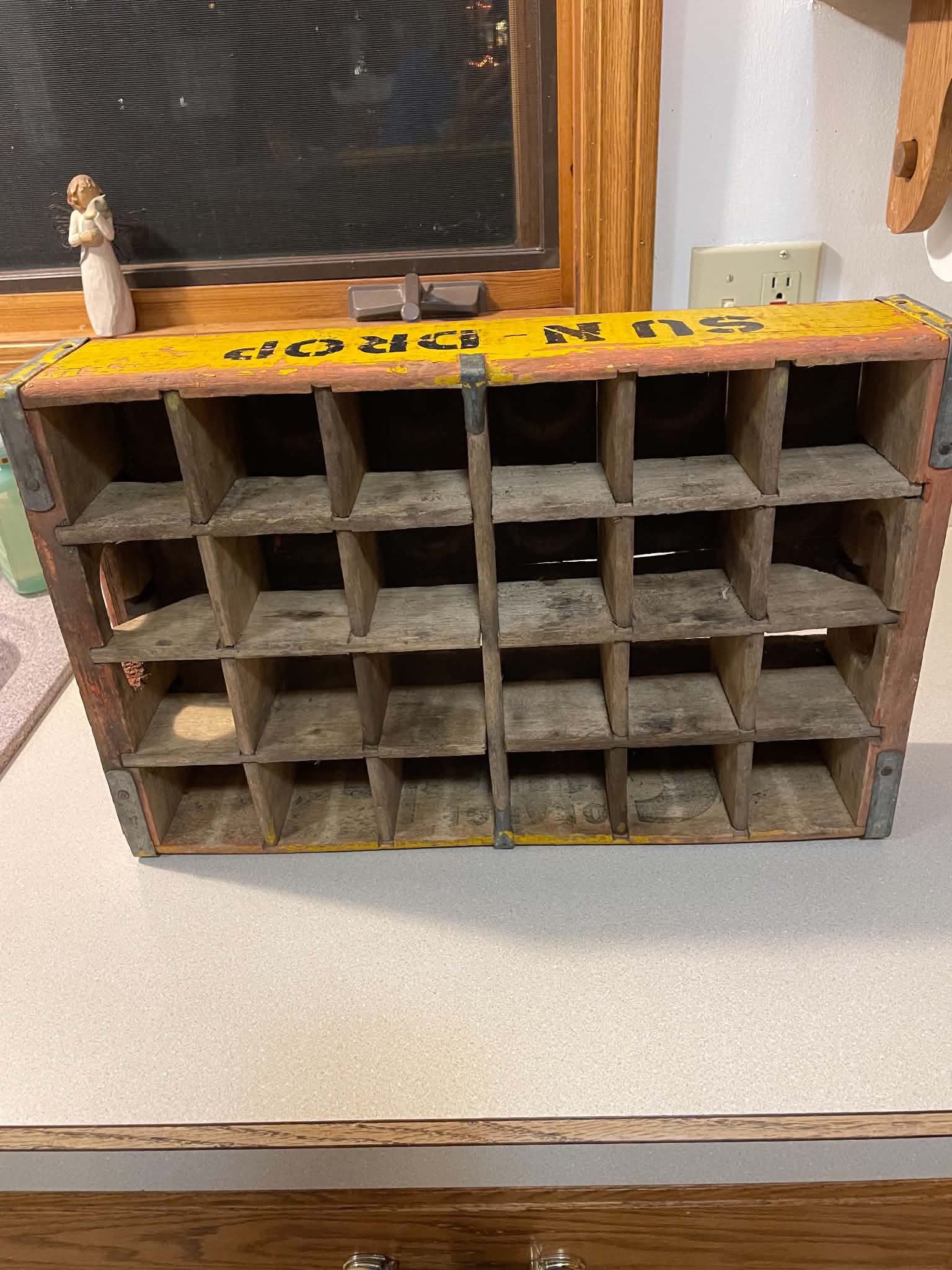
Note height, width, depth, length, or diameter as appropriate, with units. Describe what you can see: “ceramic mug with a brown landscape print” is more reliable than an unverified date, maker attribution, or claim of rarity. If a mark is difficult to read, write “partly legible” or “unreadable” instead of guessing.
Describe condition honestly
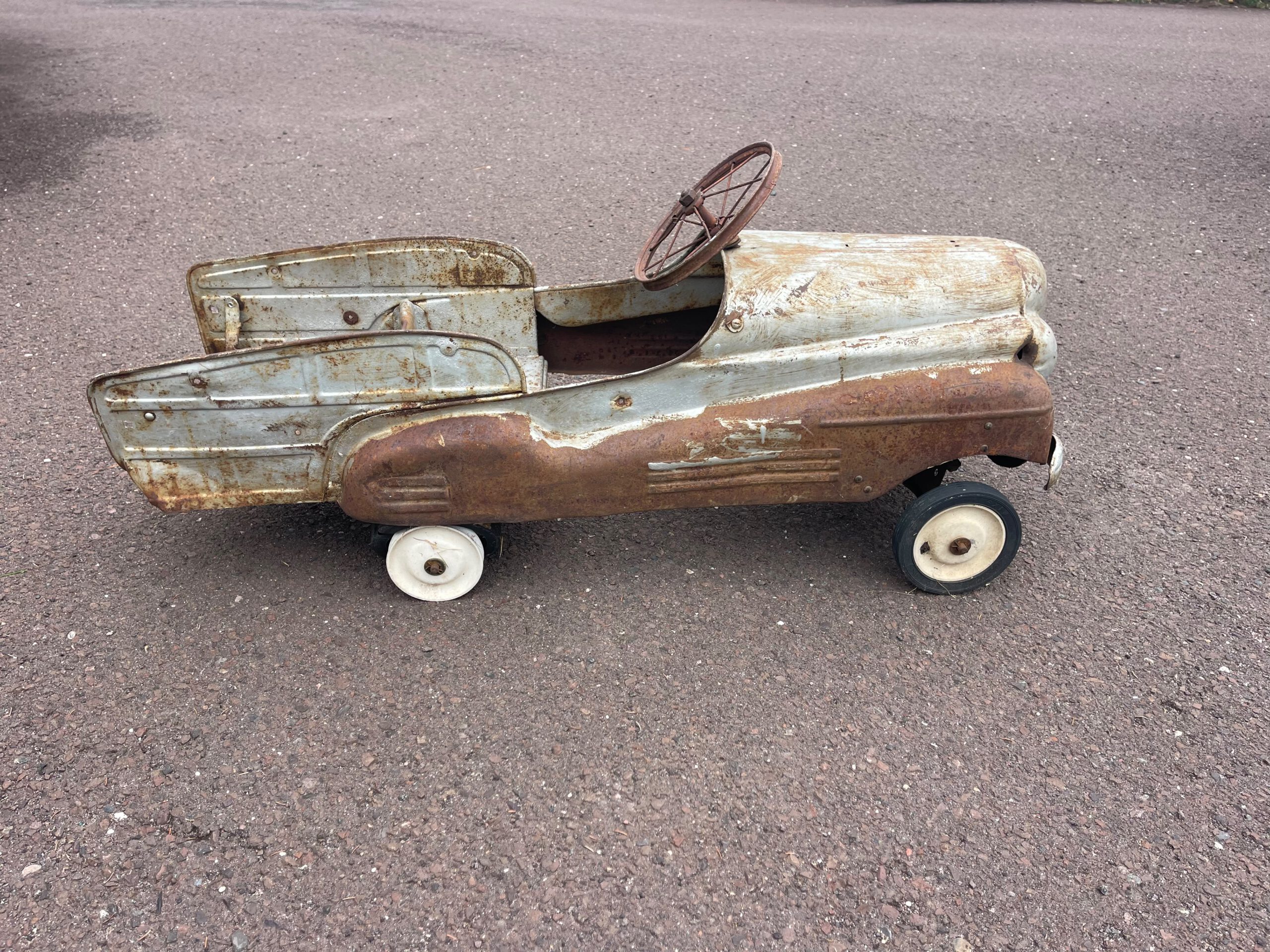
List cracks, chips, wear, repairs, replaced or missing parts, and anything that does not work as intended. Separate what you observed from what someone told you; prefer specific descriptions to broad terms such as “perfect” or “mint”. For an older item or unfamiliar finish, avoid polishing, dismantling, or strong cleaners before asking for advice. Cleaning or repair can change a surface or remove useful details.
Keep papers and notes together
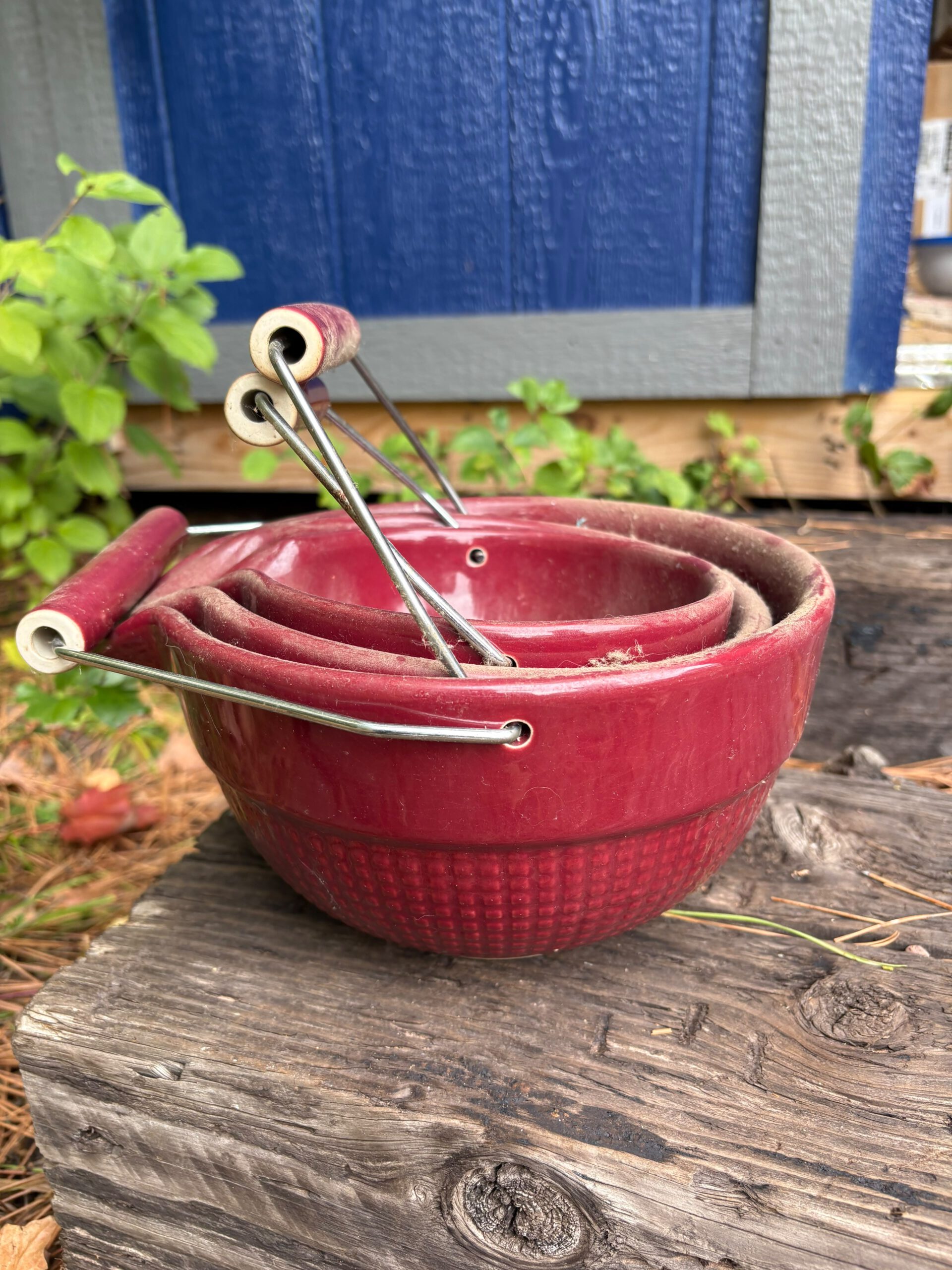
Keep relevant receipts, manuals, boxes, certificates, older photos, and family notes with the item, linked by a simple inventory number. Do not attach labels directly to an object. Record only history you know, and avoid including private details in pictures shared publicly.
When to contact an auctioneer
Send a few representative photos and basic measurements and condition notes, then ask what further information or an in-person look would help. A photograph alone may not be enough to decide whether an item fits a sale; the collection and practical logistics can also matter.
O'Sullivan Auctions serves Michigan's Western Upper Peninsula. Read about auction services, live auctions, and auction listings. Advertised auctions are in-person live events with bidding onsite; check each listing for registration details. Use the Contact page or browse the FAQs with questions.
Common questions
Can a photograph prove an item's age or value?
No. Photos help describe an item, but an attribution, date, or estimate may require closer examination.
Should I clean an item before photographing it?
Photograph it as it is. If the finish is fragile or unknown, avoid cleaners and polish until you have asked for advice.
What if I do not know the maker?
Photograph the mark, transcribe only what you can read, and label uncertain parts. There is no need to guess.
In short: unedited photos, accurate measurements, and honest condition notes make a useful starting point. This general guide is not an appraisal or a promise that an item will be accepted for sale.
Ready to Discover What You Have?
Schedule a free in-home appraisal with O'Sullivan Auctions today.
Call (906) 675-8971Frequently Asked Questions
Quick answers about in-home appraisals with O'Sullivan Auctions.
-
Most in-home appraisals take between 45 minutes and one hour, depending on what you have. We schedule a time that works for you and never go over an hour.
-
Yes. Our in-home appraisal is completely free, with no obligation to sell. Many people call simply to understand what they have — and that's perfectly fine with us.
-
Usually, not very much. Set out anything you have questions about, and we'll walk through the rest of the home, garage, basement, or outbuildings you allow us to see.
-
Never. There is no pressure to sign a contract. We explain your options — personal estate auction, consignment sale, or simply understanding what you have — and you decide what feels right.
-
Between us, we cover tools, antiques, fire-related memorabilia, pottery, advertising signs, breweriana, coins, jewelry, vintage toys, radios, kitchenware, lamps, costume jewelry, and linens. If you're unsure, just ask.
-
No. An appraisal gives you a fair and informed assessment, but the final price at auction depends on the bidders who show up that day. That's why our auction contracts do not guarantee prices or sales.
-
Just call us at 906-675-8971 or email osullivanauctions@yahoo.com. We'll find a time that works for you.


Comments 0